
The Best WiFi Garage Door Openers of 2026, Picked by LA Technicians
Our picks by need — best overall belt-drive, best budget, best for heavy doors, and the best way to add WiFi to an opener you already own. Written by the crew that installs and services these units across Los Angeles.
The best WiFi garage door opener depends on your door: a belt-drive smart opener from the LiftMaster tier for most homes, a Chamberlain retail unit or retrofit hub for budget jobs, and a wall-mount jackshaft for heavy or custom doors. We install and service every tier we recommend.
Shopping for a WiFi garage door opener in 2026 means sorting through near-identical spec sheets and review sites that have never installed one. We are a service company, not a review site — so instead of laboratory rankings, here are the tiers we install week after week across Los Angeles and stand behind on service calls. When a WiFi garage door opener earns its spot on our trucks, it is because it survives real driveways in real Valley heat.
A quick note on how to read this: we name tiers and brands rather than single model numbers, because availability and features shift through the year and the right model for you depends on your door's size, weight, and headroom. We quote the specific unit after a look at the installation.
What Matters Most: Drive, Connectivity, Security
Four features separate the good units from the gadgets. Drive type sets the noise level: belt drives run quiet enough for bedrooms above the garage, chain drives cost less and shrug off abuse. App support decides the experience — the MyQ platform from the Chamberlain family is the most established, and the best units also speak HomeKit, Alexa, or Google Home so the door joins the rest of your setup. Battery backup matters more here than anywhere in the country: California law has required it on newly installed residential openers since 2019, and it is what gets your car out during a blackout. Finally, rolling-code security (Security+ and similar) changes the transmitted code after every use, so a captured signal is worthless the second time.
For a deeper walkthrough of platforms, hubs, and security details, see our complete smart garage door openers guide.
Our WiFi Garage Door Opener Picks for 2026
Four picks, one per situation. Match the pick to the door and the budget, not the badge.
To make the tiers concrete, here are the models we recommend for 2026 from the lines we install and service week after week — a starting shortlist, not a lab ranking. Features shift by model year, so confirm the exact spec sheet when you get your quote:
| Pick | Drive type | WiFi protocol | Battery backup | Best for |
|---|---|---|---|---|
| LiftMaster 84503 | Belt | Built-in WiFi + myQ | Yes | Best overall — quiet attached garages, integrated camera |
| Chamberlain B4613T | Belt | Built-in WiFi + myQ | Yes | Budget pick — belt-drive quiet at a retail price |
| Chamberlain B6753T | Belt | Built-in WiFi + myQ | Yes | Heavy and custom doors — maximum lifting power |
| Genie Aladdin Connect retrofit kit | Uses your existing opener | WiFi add-on + app | No | Adding smart control to a healthy existing opener |
Wall-mount jackshaft openers (a LiftMaster tier we also install) skip the ceiling rail entirely — worth a look for tall doorways and garages with center obstruction. Current model specs live on the manufacturers' sites: liftmaster.com and chamberlain.com.
Best Overall: Belt-Drive Smart Openers
For most LA homes, the belt-drive tier from LiftMaster is the answer we give most often. These units pair a quiet belt drive with built-in WiFi, battery backup, and rolling-code security, and the professional line holds up under daily cycles in attached garages. The belt makes almost no noise — the reason we recommend it for anyone with a bedroom or home office over the garage. If you want one decision that covers quiet, smart, and safe, this tier is it, and it is the backbone of our smart opener installations.
Best Budget: Chamberlain Retail Tier
The retail Chamberlain line shares the MyQ platform with its LiftMaster siblings at a friendlier price. You give up some motor refinement and a few pro-grade features, but the core experience — phone control, alerts, scheduling — is the same. It is a solid pick for detached garages, rentals, and doors that see lighter use. For the deepest budget cut, skip the new opener entirely and jump to the retrofit pick below.
Best for Heavy and Custom Doors: Wall-Mount Jackshaft
Full-view glass doors, solid wood doors, and tall custom openings need a different machine. Wall-mount jackshaft openers bolt beside the door instead of hanging from the ceiling, drive the torsion shaft directly, and handle heavy leaves without strain. Bonus: they free the ceiling for storage or a car lift, and they suit low-headroom garages that cannot fit a rail system. This tier costs more and demands precise installation — torque settings on the shaft are safety-critical — so it is one to have professionally installed.
Best Retrofit: Add WiFi to an Existing Opener
If your opener is less than about fifteen years old and running fine, replacing it for WiFi alone is waste. A retrofit controller — either a brand-matched hub or a smart control board — adds app control, alerts, and guest access to the machine you already own for a fraction of a new unit. We check compatibility first, since the retrofit path depends on the opener's model and control board. Our opener installation service quotes both paths side by side so you can compare.
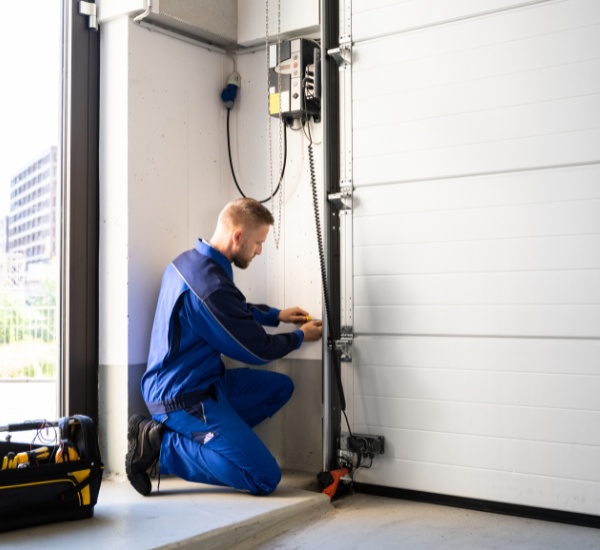
Whatever tier you land on, know what a proper installation includes beyond unboxing: rail assembly and reinforcement of the mounting, force and travel limits calibrated to your specific door, safety sensor alignment, and the door's balance checked so the motor is not fighting tired springs. A smart opener strapped to an unbalanced door burns out years early and drops WiFi the first time the door binds — the app gets blamed for a mechanical problem. That check-up is standard on every opener we install.
Installation Notes for LA Homes
Three local realities shape the install. First, battery backup is not optional — California requires it on new residential opener installations, so any unit we fit includes it. Second, Valley heat ages electronics fast; mounting the opener clear of direct sun and keeping the garage ventilated adds years to the board and the battery. Third, WiFi reach: garages at the far end of a property or under a tile roof often need a WiFi extender near the opener for reliable app control. We sort all three during installation so the app works the first week and the fifth year. And if the app side misbehaves after the install, our myQ not working guide covers the usual fixes.
Curious how the two big brands compare before you pick a tier? Our LiftMaster vs Chamberlain comparison covers the differences most reviews skip — starting with the fact that they share a parent company.
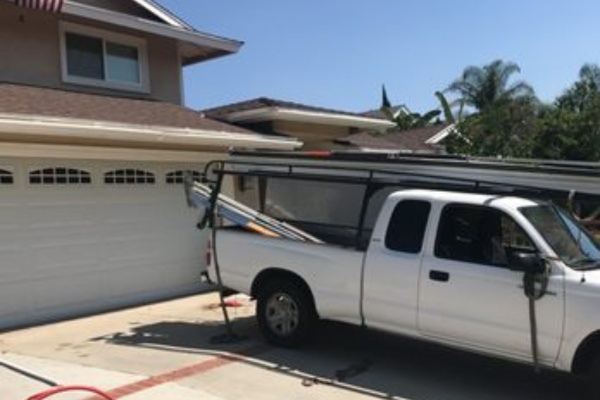
Whichever tier fits, the install quality decides most of the experience. Rail alignment, spring balance, force settings, and sensor height are what make a smart opener feel smart — or feel like a gadget that fights you. We install and service every tier in this guide, and we are the crew other companies' customers call when the first install went wrong.
"We needed someone to evaluate & replace a garage door opener in Simi Valley. In my research, I contacted 4 companies & ultimately decided to go with EM Garage Doors & we're so glad we did. Edi is the man! … His price was also very reasonable. Save yourself the time & hassle of calling around… just call Edi!" — Lori Nova Endres, Google Review
Want a recommendation for your specific door? Tell us the door type, the garage layout, and what you want the app to do. We will match a tier, quote the install, and have it working before you have memorized a single model number.
Frequently Asked Questions
Common questions about smart openers from our LA service calls.
Yes, if the opener is compatible. Many openers from the last decade connect to a WiFi hub or accept a smart control add-on. If your opener is older, a retrofit controller or a full smart-opener replacement are the two paths we quote.
Most current models from LiftMaster and Chamberlain work with major platforms through their app, and HomeKit support is common on newer units. Compatibility varies by model and year, so confirm before buying or ask us to check your setup.
Modern units use rolling-code technology that changes the code after every use, so intercepted signals cannot replay the door open. Add app alerts and you also get a notice whenever the door moves, which old fixed-code remotes never offered.
Yes. California law requires battery backup on residential garage door openers sold and installed in the state since July 2019, so any new opener we install includes it. The battery keeps the door working during a power outage.
Belt-drive models are the quietest common choice — the belt all but eliminates the metal-on-metal chatter of a chain drive, which is why we recommend them for bedrooms and home offices over the garage. Wall-mount jackshaft openers go one step further by removing the ceiling rail entirely.
Yes. Smart openers keep every control they always had — remotes, the wall button, and the keypad work exactly as before. The app simply adds monitoring, schedules, and alerts on top, and the door itself works normally during internet outages.
Keep Reading
More guides on openers, remotes, and smart features.