
Bungalow Doors and Budget-Smart Garage Door Repair in Inglewood
Inglewood pairs one of LA's densest stretches of 1920s and 1940s bungalows with fast new construction along the stadium corridor. Those two stocks break differently and cost differently, so we repair them differently. Here is how that works in practice.
Garage door repair in Inglewood mostly means original one-car bungalow doors that need honest small fixes, plus newer corridor-area doors needing early tune-ups. We repair before we recommend replacing, quote free and in writing, and most repairs land between $150 and $500.
An Inglewood bungalow garage holds one car and roughly ninety years of improvisation. The doors are narrow, the springs are often original-era replacements themselves, and the openers range from dependable workhorses to units that belong in a museum. What these homes rarely need is an aggressive sales process. They need someone who fixes the $180 problem instead of selling the $2,000 one, and who says plainly when replacement actually earns its price. That is the entire philosophy behind our repair-first approach in this part of the county.
Garage Door Repair in Inglewood Starts with the Door You Have
On streets like the ones threading between Centinela and Prairie, the typical call involves a one-car door that has served three or four owners. The hardware is repairable almost by definition: these doors were built heavy and simple, with parts that standard inventory covers. Rollers wear into flat spots, lift cables fray at the bottom fittings, hinges crack at their stamping points, and torsion springs eventually surrender their tension. Each of those is a clean, budget-sized fix. The full replacement conversation only arrives when a door has been crashed into, when its sections have rotted through, or when a household genuinely needs a wider opening. We run the numbers both ways and leave the decision with you.
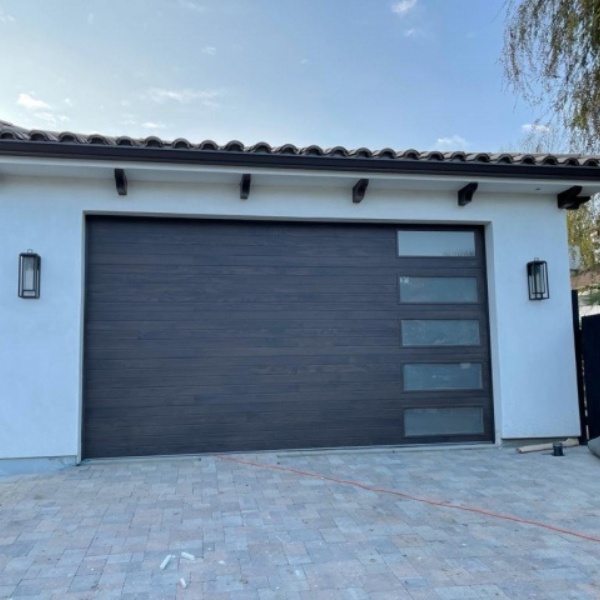
Small doors, straightforward math
One-car doors cost less to service than doubles: fewer springs, lighter sections, shorter cables. Repair budgets stretch further here than almost anywhere in LA.
Bungalow Door Fixes That Make Sense
The honest repair list for a 1920s or 1930s bungalow door is shorter than most homeowners fear. Section repair or replacement handles dents and rot without disturbing the rest of the door. Track realignment fixes the doors that shudder or stick halfway, usually after decades of gradual settling rather than any single event. New rollers and bearings quiet a door that announces every arrival to the block. A fresh bottom seal closes the gap that lets leaves, rain, and the odd cat into the garage. And when the door feels heavy or drops quickly when released, springs are telling you they are done, a swap that typically runs $150 to $350 and returns the door to safe balance the same visit. None of this requires replacing the door, and all of it starts with the free estimate we write before touching anything.
Detached garages add their own quirks to that list. Alley-facing doors sit at the bottom of drainage slopes, so bottom seals and threshold work matter more here than on attached garages. Long opener runs from the house sometimes need receivers relocated closer to the door, and power arrives through older circuits that a modern opener's surge protection respects better than the original wiring did. None of this complicates a repair dramatically, but knowing the building changes which fixes actually hold.
Value-Tier Opener Upgrades on a Budget
Not every household wants a top-line opener, and Inglewood's bungalow stock is exactly where value-tier units shine. Modern chain-drive openers from LiftMaster, Chamberlain, and Genie deliver reliable daily service at accessible prices, and their 1/2 HP class motors move a one-car door without strain. The budget question is usually repair versus replace, and the arithmetic is clean: opener repair typically runs $100 to $300, so a failed gear or receiver almost always justifies repair, while a unit that predates safety sensors deserves replacement on safety grounds alone. When a new opener is the right call, our installation crew reuses sound rail and mounting hardware where it meets spec, which trims the invoice further. Remotes and keypads round out the picture; a lost remote or a dead keypad is a fifteen-minute fix, not a system overhaul.
Security belongs in the same conversation, because detached bungalow garages on alleys get probed more often than attached ones. Old openers running fixed-code remotes are the softest target on the block; upgrading to a unit with rolling-code technology, or rekeying a worn keyed switch, removes the easy entry path. Solid side doors on the garage deserve the same attention as the main door, since a padlock hasp is not a lock. During any repair visit we point out the weak spots we can see from the driveway, at no charge, because a neighborhood stays safer when several households close them the same season. Most of this is standard equipment on current LiftMaster, Chamberlain, and Genie units, and we quote the options plainly before touching anything.
Growing-Neighborhood Upgrades Done Right
The construction along the corridor south of the stadium changed the door mix here. New townhomes and apartments arrive with builder-grade doors that work fine out of the box but settle into their buildings during the first two years. Sensor brackets drift, tracks shift a few millimeters as framing seasons, and springs that seemed vigorous at handover lose their edge early. A one-time tune-up after the first year catches nearly all of it. For owners converting garage space into workshops or gyms, insulation retrofits and better sealing moderate temperature swings, though honest expectations matter: insulation slows heat movement, it does not create air conditioning. Older homeowners upgrading as the neighborhood grows tend to weigh spending carefully, and this review reflects the standard we hold ourselves to on that count:
"Edi repaired the side gate of my house very quickly. He was very efficient and did a great job. I highly recommend this business!" — Michi, Google Review (October 2026)
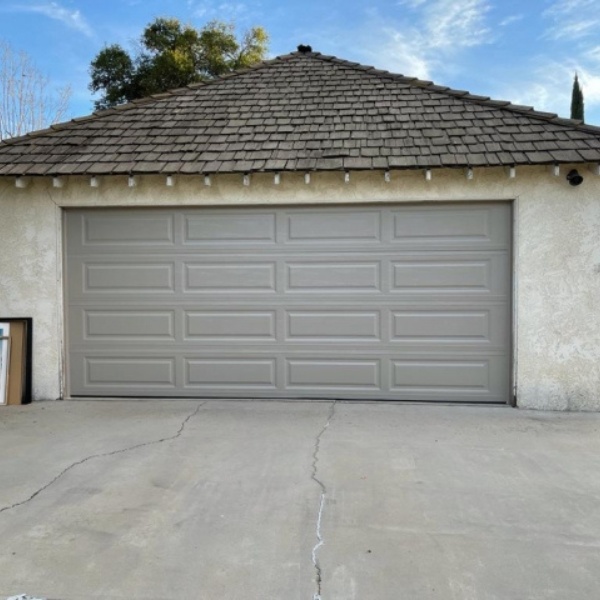
West of here, our Culver City page covers the mid-century and tech-corridor stock across the boundary, and the complete coverage list sits on the service areas page. Weekday scheduling runs 8 to 6 for all of it.
Emergency-Type Repairs We Run in Inglewood
Inglewood calls come in two speeds: a homeowner on a Centinela Avenue bungalow with a door that stopped overnight, and a landlord near Prairie with tenants who cannot park. The 1920s and 1940s stock runs small single-car doors carrying decades of cumulative wear — springs re-tensioned once too often, cables with visible broken strands, sensor brackets rusted crooked from years of sprinkler spray. Any one of them can stop a door mid-week with no warning at all.
The rapid list we run: off-track door repair, spring replacement, safety sensor repair, and cable repair, each priced in the usual honest ranges before anyone touches a wrench. Call (818) 919-0785 on a weekday and describe what the door is doing — the symptom usually narrows the cause in one question. Inglewood rides the same Reseda-based loop as Huntington Park, with pricing that does not change by ZIP code from Reseda outward.
Inglewood Door and Opener Questions
Repair-first specifics, answered without sales language.
For the most part, yes. Rollers, cables, hinges, and weather stripping come in standard sizes that fit most bungalow doors, and torsion springs are cut and wound to the door's measured weight rather than pulled from a shelf. Odd panel sizes for damaged sections are the exception; those get quoted custom after we measure, and the estimate is free either way.
Repair usually wins when the failure is a gear, a capacitor, or a remote receiver, with opener repair typically running $100 to $300. Replacement earns the money when the unit predates modern safety sensors, lacks reversal protection, or needs a second major repair in a short stretch. We show you both numbers and let the math decide.
The mechanics are the same, but the hardware is often lighter-duty builder stock that benefits from early attention. Sensor alignment, spring balance, and track lubrication catch most first-year issues on new doors, and a quick tune-up costs far less than the repairs it prevents.
We schedule weekday appointments from 8 AM to 6 PM and keep the process simple: one call, a free written estimate on arrival, and no work until you approve the number. Many repairs finish in a single visit because the common parts ride on the truck.
Keep Exploring
More reading for bungalow and new-build owners.