
How Long Do Garage Doors Last? A Lifespan Guide for Every Part
Realistic lifespans for doors, springs, openers, rollers, and seals — plus the LA conditions that shorten them. Written for homeowners deciding between another repair and a full replacement.
The typical garage door lifespan is 15–30 years; torsion springs last 7–10 years; openers 10–15; rollers 5–10. Replacing components on schedule stretches the door's overall life. Valley heat, coastal salt air, heavy daily use, and skipped lubrication shorten every number here.
A garage door lifespan question has two answers, and mixing them up costs homeowners money. The door itself — the steel, wood, or aluminum sections — routinely serves 15 to 30 years. The parts that lift it do not. Springs, rollers, cables, and openers are wear items, engineered to be replaced, and they quit on their own schedule.
After ten-plus years servicing doors from Reseda to Pasadena, we can usually estimate a door's remaining life in one look. Here is the breakdown we walk customers through, including the Los Angeles conditions that quietly shave years off every component.
Garage Door Lifespan, Component by Component
These are typical ranges for residential doors in average condition. Usage, climate exposure, and maintenance move every number.
| Component | Typical lifespan | What decides it |
|---|---|---|
| Door sections | 15–30 years | Material, sun exposure, dents, rust |
| Torsion springs | 7–10 years (~10,000 cycles) | Cycle rating, humidity, door weight |
| Extension springs | 5–8 years | Exposed mounting, older door design |
| Opener | 10–15 years | Opener repair or new opener installation; motor gears, surge damage, technology age |
| Rollers | 5–10 years | Nylon vs. steel, track condition, lube |
| Lift cables | 8–15 years | Rust, fraying; replace with springs |
| Bottom weather seal | 5–10 years | Sun and heat crack the rubber |
One clarification on cycles: manufacturers rate torsion springs in cycles, not years — one cycle is a full open and close. A standard spring is rated near 10,000 cycles. A family cycling the door four times a day burns through that in under seven years; a retiree who uses the door twice a day stretches the same spring past a decade.
Torsion versus extension matters too. Torsion springs mount on a shaft above the door, last longer, and fail more gracefully. Extension springs stretch along the horizontal tracks, cost less, and wear out faster on older doors common in Van Nuys and Northridge post-war housing. If you are replacing extension springs repeatedly, our torsion spring replacement service converts the system to the longer-lasting design.
Rollers deserve their own note because the choice is a trade, not a ranking. Steel rollers are durable and cheap but noisy — you hear every rotation in a bedroom above the garage. Nylon rollers run quietly, protect a smoother ride for the door, and are standard on better installations, but they typically wear sooner than quality steel on very heavy doors. Many doors we service are still running their original builders-grade rollers at year fifteen; upgrading them during a spring job is one of the cheapest comfort and longevity improvements available.
Openers age on a second axis: technology. A fifteen-year-old opener can still motor a door up and down, but it lacks rolling-code security, battery backup — required on new installations in California since 2019 — and any smartphone control. When customers ask whether to repair an old opener, the mechanical answer and the practical answer start to diverge around the ten-year mark, which is when repair money is usually better directed at a modern unit.
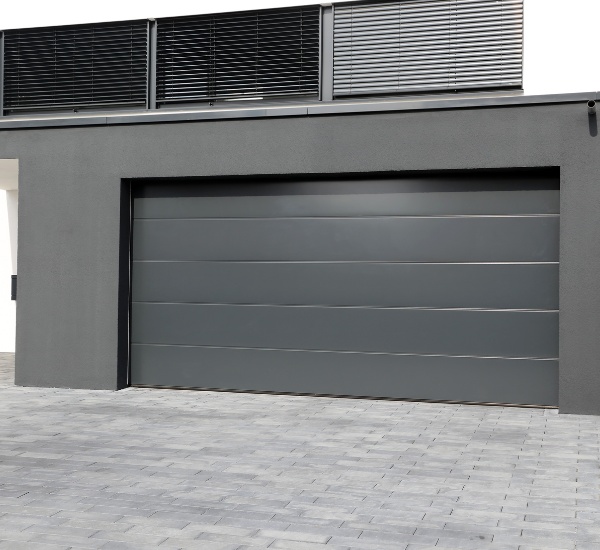
What Shortens a Door's Life in Los Angeles
Heat is the big one. San Fernando Valley summers push garage interiors past 110 degrees, and heat accelerates spring fatigue and bakes the rubber seal at the door's bottom into a stiff strip that cracks within a few seasons. Direct sun on a south- or west-facing door fades paint and warps wood sections.
Coastal air is second. Salt humidity near Santa Monica and Marina del Rey corrodes steel cables, rollers, and cheap hinges years before their inland counterparts give out — stainless and galvanized hardware earns its price near the coast.
Then there is plain neglect. A door that is never lubricated grinds its rollers flat, and flat rollers shake the track, which loosens brackets, which strains the springs. Skipping a twice-yearly lubrication does not save money; it schedules a bigger repair.
Replace or Repair? How to Decide
Repair when the door sections are sound and the failure is a wear part — springs, rollers, cables, or an opener. Those jobs cost a fraction of a replacement and reset the clock on the system. Our guide to the signs you need garage door repair lists the symptoms worth acting on early, before one worn part drags the rest down with it, and our repair vs replacement guide works through the full decision with LA price context.
A useful rule of thumb for repair decisions: the closer the repair price gets to a third of a replacement quote, the weaker the repair case becomes. A single spring job on an otherwise healthy door is an easy call. The third spring job on a rusting door with a groaning opener is a door telling you it is finished. Repair bills also predict the future — a door that needed two component replacements this year will very likely need a third next year.
Replace when repairs stack up or the sections themselves are failing: rust-through, cracked wood, sections bent past repair, or a door that needs its third spring job in a decade. At that point the math flips, and the price gap shrinks every time you sign a repair invoice. Typical replacement budgets are covered in our breakdown of new garage door costs in Los Angeles.
How to Make a Garage Door Last Longer
The longevity playbook is short. Lubricate springs, rollers, and hinges with garage-door lubricant twice a year — spring and fall. Test the auto-reverse sensors monthly by placing a roll of paper towels in the door's path. Keep the tracks free of debris, and do not force a door that sticks; sticking means something is wrong. Then book a professional tune-up once a year. An annual garage door maintenance visit catches fraying cables, worn rollers, and loose hardware before they cascade into damaged sections or a burned-out opener.
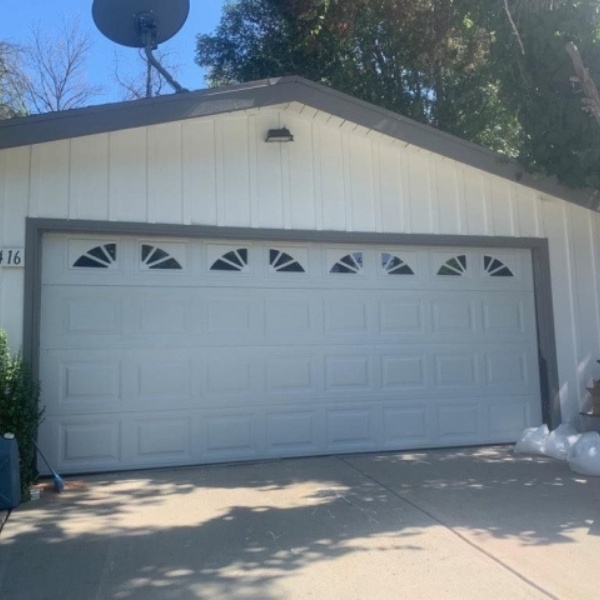
"EM Garage Doors & Gate Services provided us with very functional, quick and efficient services recently. Eddy repaired, did maintenance and installed a new motor for our garage door in a very short time. We find them highly recommendable." — Rebecca Powers, Google Review
The doors that reach the far end of the 30-year range are no accident. They are the ones that got fresh springs on schedule, rollers before they shredded, and a ten-minute lube twice a year. If you do not know the age of your springs or when the door was last serviced, that is the place to start — a quick inspection tells you where your door stands on every timeline above.
Garage Door Lifespan FAQ
Answers to the durability questions LA homeowners ask most.
Most residential garage doors last 15 to 30 years. The door sections themselves hold up longest, while springs, rollers, and cables wear out along the way. Replacing those parts as they age is what pushes a door toward the high end of that range.
Standard torsion springs last about 7 to 10 years, or roughly 10,000 cycles. A household that cycles the door 4 times a day reaches 10,000 cycles in under 7 years. High-cycle springs rated for 20,000 cycles are a worthwhile upgrade on heavily used doors.
It depends on the parts. Replacing springs, rollers, or an opener on a sound 20-year-old door often makes sense. If the sections are rusted, dented, or the door needs constant repairs, a new door usually costs less over time.
Lubricate the springs, rollers, and hinges twice a year, test the auto-reverse sensors monthly, and schedule a professional tune-up once a year. Annual maintenance catches fraying cables and worn rollers before they destroy other parts.
Typically 10 to 15 years. Motor gears, power surges, and plain technological age end most openers. Repairs run $100 to $300 when caught early, but repeated repairs on a 15-year-old unit rarely pay — and in California, any newly installed opener must include battery backup, which makes replacing an aging unit the cleaner exit.
Not quite. Coastal salt air in places like Santa Monica corrodes springs, tracks, and hardware faster than the dry Valley heat does, so a coastal door usually needs springs and hardware sooner even on the same maintenance schedule. Rinsing the tracks and moving parts a few times a year slows the salt damage noticeably.
Keep Reading
More guides on repairs, upkeep, and replacement costs.