
7 Signs You Need Garage Door Repair
Garage doors rarely fail without warning. This guide lists the seven signals that show up first, what each one means, and what it costs to fix early versus late.
The top signs you need garage door repair are grinding or squealing noises, slow response, uneven movement, a door that reverses, a visible gap in the spring, frayed cables, and sagging sections. Catching any of them early keeps the repair small and cheap.
Most homeowners in Los Angeles use the garage door as their front door, two to five times a day, every year. That's thousands of cycles of wear on springs, cables, rollers, and the opener, accelerated by Valley summers that bake garages in Reseda and Northridge well past 100 degrees. The good news: doors almost always announce their problems before they quit. You just have to recognize the announcements. Here are the signs you need garage door repair, ranked roughly from earliest warning to most urgent.
The 7 Signs You Need Garage Door Repair
1. Grinding or squealing during operation
Cause: rollers and hinges running dry, worn roller bearings, or a lack of lubrication on the torsion shaft. What to do: a squeal often disappears after proper lubrication of rollers, hinges, and the spring system. Grinding is different. Grinding means metal on metal, and that means parts are actively wearing out. Run a repair inspection before the rollers chew up the tracks.
2. Slow response
Cause: an opener losing strength, a door out of balance, or dying parts adding drag. What to do: time your door. If there's a noticeable delay between pressing the button and any movement, or the door crawls where it used to glide, stop compensating with patience. An opener straining against a heavy door is an opener heading toward an early death. Don't simply raise the opener's force setting to compensate; that masks the problem and teaches the opener to push harder, which is the opposite of safe.
3. Uneven or crooked movement
Cause: a cable that has jumped a pulley or frayed on one side, worn pulley bearings, or one extension spring weaker than its partner. What to do: stop using the door immediately. A door racking sideways under motor force bends tracks and can throw a cable. This is a same-visit fix for a technician and an expensive one if it's forced.
4. The door reverses before closing
Cause: misaligned or dirty photo-eye sensors, an obstruction in the track, or opener force settings that are off because the door is out of balance. What to do: clean both sensor lenses and check that nothing blocks the beam a few inches above the floor. If the opener light blinks when it reverses, the sensors are protesting. Persistent reversing after cleaning deserves a professional look — our garage door sensor repair service realigns and replaces photo-eyes across Los Angeles.
5. A visible gap in the spring, or heavy rust
Cause: a torsion spring that has snapped, shown as a two to three inch gap in the coil, or surface rust that's eating into spring metal. What to do: a broken spring means the door should stay closed and untouched until repaired; see our spring replacement service page for what the job involves. Rusted-but-intact springs are a warning, not a failure yet. Have them assessed before they become the loud kind of problem.
6. Frayed cables
Cause: ordinary wear, or cables scraping where the track has roughened. What to do: look at the lift cables on each side when the door is closed. Individual wire strands poking out like a broken bracelet mean the cable is weeks from snapping. Don't touch them and don't run the door more than necessary; a snapped cable under tension can whip and do real damage. Our garage door cable repair service replaces frayed cables as a matched pair before that happens.
7. Sagging sections
Cause: on older wooden doors, moisture and age delaminate the sections until they bow inward when the door is closed. On steel doors, a panel bent by impact can pull the same shape. What to do: stand inside the closed garage and sight along the door's face. Visible bowing means the door's structure is compromised. One damaged section can sometimes be replaced — our garage door panel repair service swaps single sections on otherwise sound doors — while widespread sagging usually means a new door is the smarter spend.
| Symptom | Likely repair | Urgency |
|---|---|---|
| Squealing | Lubrication service | Low |
| Grinding | Roller or bearing replacement | Medium |
| Slow response | Balance check, opener diagnosis | Medium |
| Crooked movement | Cable or pulley repair | High, stop use |
| Reversing door | Sensor alignment, force adjustment | Medium |
| Spring gap or rust | Spring replacement | High, stop use |
| Frayed cables | Cable replacement | High, stop use |
| Sagging sections | Panel or door replacement | Escalating |
One practical tip before you call anyone: take a fifteen-second video of the door running a full cycle, with sound. Noises and jerky movement are diagnostic gold, and a clip lets the technician hear what you hear before arriving. Note when the symptom started and whether it changes with the time of day; doors that act up in the afternoon heat but behave in the morning are usually telling you something about expansion or dried-out lubricant.
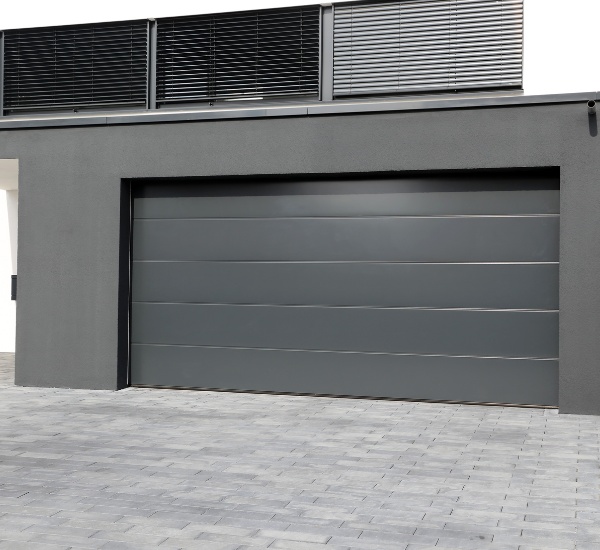
The cheapest repair is the early one
Every sign above costs less to fix the day you notice it. A $150 roller job ignored becomes a $500 track-and-opener job. A rusty spring assessed early is a planned appointment; a snapped spring is a car trapped in the garage on a Monday morning. An annual inspection catches all seven signs in a single visit, which is why we recommend one every year, and more often for doors running five or more cycles a day.
Repair Now or Replace?
The rough rule: repair parts, replace structure. A single broken spring, one bad cable, or worn rollers on an otherwise sound door under 15 years old is almost always worth repairing. Replacement starts making sense when the door is 15 to 20 years old with multiple failing parts, when several sections are damaged, or when a repair quote climbs toward a meaningful share of a new installed door. A technician who sells you a new door for a broken spring without discussing the repair option first is selling something other than expertise.
If you're unsure which side of the line you're on, get an opinion from a company that handles both repairs and installations. We quote both every week, and the honest answer is usually obvious once the numbers sit side by side: a sound door with one failing part gets repaired, and a tired door with a growing list of problems gets replaced before the list gets longer. We break the decision down with real LA price context in our garage door repair vs replacement guide.
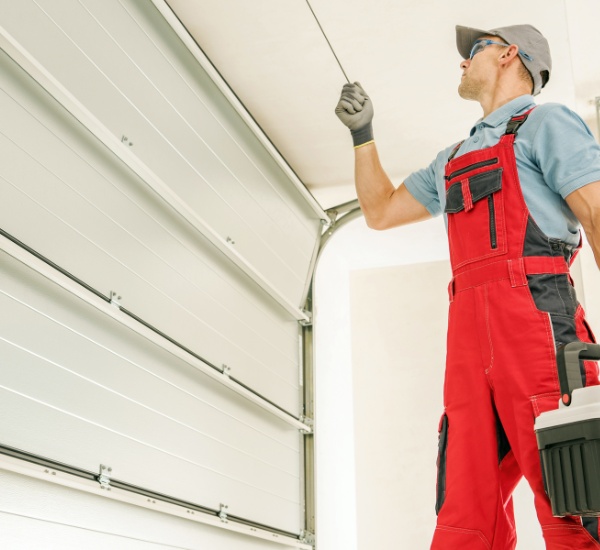
Scheduling preventive maintenance visits in Los Angeles is the lowest-effort version of all this: one appointment a year, and the door tells its problems to a technician instead of saving them for you.
"Excellent service. Show up an hour after I called to service a door put in by another company. Fixed the problem, declined payment and gave us helpful tips. Highly recommend. Will definitely use them from the start next time" — Community House, Google Review
Recognize one of the seven signs on your own door? Call (818) 919-0785 Monday through Friday, 8 AM to 6 PM, or request a free estimate online and we'll take a look this week.
Frequently Asked Questions
Common questions about the warning signs of garage door trouble.
Once a year for most homes, more often if the door gets heavy daily use. An annual inspection covers spring tension, cable condition, roller wear, sensor alignment, and opener force settings. In the San Fernando Valley, where summer heat accelerates wear on moving parts, yearly service is cheap insurance.
You can, but it usually costs more later. Noise is often the first symptom of dry or worn parts. A lubrication visit solves the cheap version; ignored long enough, the same worn rollers and hinges damage the track and strain the opener, turning a small repair into a bigger one.
Close the door and disconnect the opener using the manual release cord. Lift the door manually to waist height and let go. A balanced door holds there, or drifts slightly. If it falls or rises on its own, the springs are out of balance and a technician should adjust them. Reconnect the opener afterward.
Consider replacement when the door is over 15 to 20 years old, when multiple sections are damaged, or when quoted repairs approach a large share of a new door's cost. A single broken spring on an otherwise sound door is almost always worth repairing instead.
Look at the lift cables on each side of the closed door. Broken individual strands poking out, a furred or bird-caged section, or rust near the bottom brackets all mean the cable is weeks from snapping. Never touch the cables or try to free a stuck one — they are under tension even on a closed door.
Nine times out of ten it is the photo-eye sensors: dirty lenses, a knocked alignment, or something sitting in the beam path a few inches off the floor. Clean both lenses and realign them until both indicator lights hold steady. If the door still reverses, the opener's force setting or a door that has grown heavy is the next suspect.
Keep Reading
More troubleshooting guides from the EM Garage Doors team.