
Garage Door Heat Wave Prep for San Fernando Valley Homes
The west Valley corners that post the county's hottest readings — Woodland Hills, Reseda, Chatsworth — are where garage doors take their worst seasonal beating. Here is the prep pass we recommend before the first serious heat event of the year.
Before a heat wave, lubricate moving parts with a silicone-based garage door lubricant, clear debris from tracks, check photo-eyes, confirm opener ventilation, and test battery backup. Valley heat accelerates spring fatigue and bakes rubber seals, so a thirty-minute prep pass protects the door through the hottest weeks.
Anyone who has spent a summer in the west San Fernando Valley knows the pattern. The forecast shows a ridge building over the desert, Woodland Hills and Chatsworth start posting the hottest readings in the county, and garages from Reseda to Winnetka turn into ovens that stay warm past midnight. Homeowners prep the AC and the irrigation. The garage door — the largest moving piece of the house and the one facing all that sun — usually gets forgotten until something squeals, sticks, or quits during the worst week of the year.
A heat wave does not typically snap a healthy door outright. What it does is accelerate every weakness already there: dried lubricant stops protecting, springs fatigue faster at temperature, rubber seals bake stiff, and opener electronics age in ceiling air that can run well past the outdoor reading. Prep is about heading into the hot months with those weaknesses addressed. Here is the checklist we give customers, in the order we think about it.
The Pre-Heat-Wave Checklist
| Task | Why it matters before heat |
|---|---|
| Lubricate springs, hinges, rollers | Dry metal-on-metal wear multiplies at temperature; silicone spray holds up where grease bakes off |
| Clear tracks of debris and grit | Rollers grind grit into tracks as expansion tightens clearances |
| Test the balance | An out-of-balance door makes the opener push harder exactly when heat adds drag |
| Clean and check photo-eyes | Dust-season haze and spider webs trigger false reversals at the worst time |
| Confirm opener ventilation | Electronics mounted in the hottest air of the house need airflow, not a shelf of storage boxes around them |
| Test battery backup | Heat ages batteries, and heat waves overlap with the grid strain that makes backup matter |
| Inspect the bottom seal | A cracked seal lets hot air and dust ride straight into the garage |
Lubrication: the Choice Matters More in Heat
Twice-a-year lubrication is the single highest-value thing you can do for a door, and which product you use decides whether it survives a Valley August. Grease feels like the heavy-duty option. It is not. In serious heat, grease thins and migrates off the surfaces it was protecting, collects driveway and Santa Ana dust, and rehardens into an abrasive paste that actively wears rollers and bearings. We clean that paste out of tracks year-round.
A silicone-based garage door lubricant does the job properly: a light coat on the torsion springs (when they are cool and the door is closed — keep your hands off the spring itself and never clamp anything to the shaft), the hinges, the roller stems, and the bearing plates. It does not gum, does not collect grit, and does not cook off when the garage hits its summer peak. If your door announces itself audibly on a hot afternoon, this is almost always the fix.
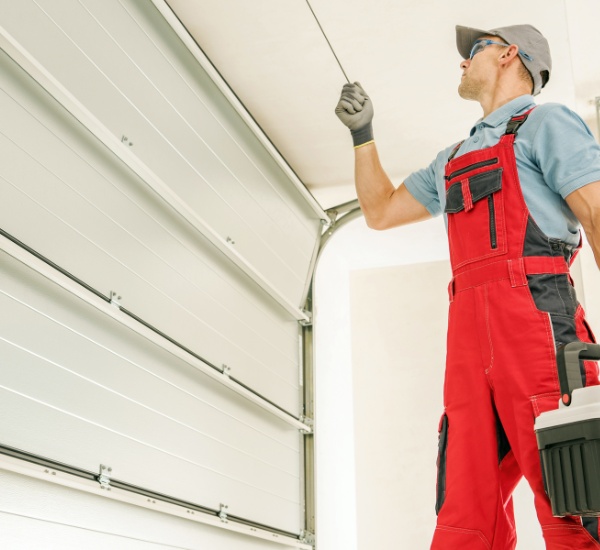
The afternoon-only symptom
Here is a pattern worth knowing: a door that works fine at 8 AM but sticks, groans, or reverses by 4 PM. That is heat expansion tightening clearances and dried lubricant failing exactly when the door is hottest. It is not a quirk — it is a maintenance signal. Left alone, the opener's force settings end up fighting the drag every afternoon, which wears the drive and shortens the opener's life. Lubrication plus a balance check usually makes the afternoon behavior disappear in a single visit.
Opener Electronics and Battery Backup
The opener hangs in the worst air in the garage — heat rises, and the ceiling above a west-facing door is where it all collects. Two prep items follow from that. First, ventilation: keep storage boxes, surfboards, and insulation batts from boxing in the opener's housing; those vents exist for a reason. Second, battery backup: California requires battery backup on every newly installed opener precisely because outages and shutoffs cluster around extreme weather, and nothing ages a sealed backup battery faster than repeated heat exposure.
Testing backup takes a minute: with the door fully closed, unplug the opener from the outlet and run one cycle on battery. If the opener will not run, the battery has reached end of life — replace it rather than betting on the grid. If your opener predates backup entirely, a heat-wave-season replacement discussion is worth having with a technician, not because old is automatically bad, but because the failure modes cluster at exactly the moment you need the door to work.
The Insulation Payoff
Prep gets a sound door through a heat wave. Insulation changes what the heat wave can do to the garage in the first place. An insulated door on an attached garage with west-facing exposure cuts the heat radiating into the space, drops the peak temperature the garage reaches, and eases the load on the AC in the room that shares its wall. Whether the upgrade pays back at your house depends on how you use the garage — workshop, laundry, band practice room, or parking only — and we lay out that math honestly in our guide to whether garage door insulation is worth it. For the full service side, our insulation service page covers what the job involves on existing doors.
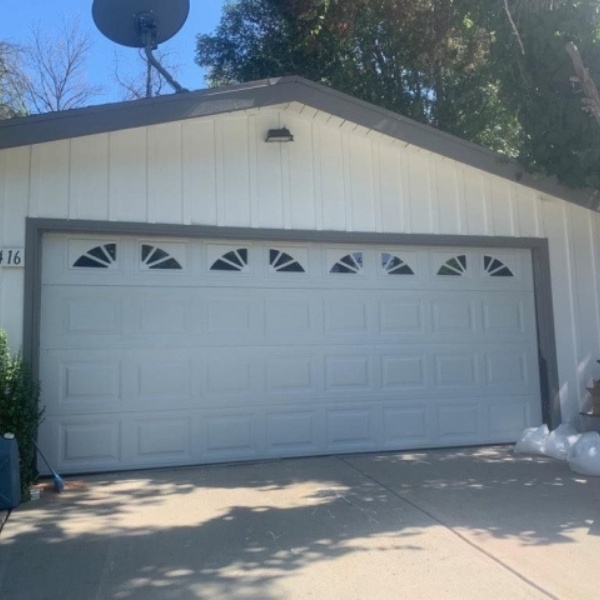
When to Do It: Timing Is Part of the Prep
Everything above is worth the most in late spring, before the first serious heat event. By the time the forecast shows the first week of real heat, phones start ringing with doors that failed in the thick of it — and a two-day scheduling queue during a heat wave is its own kind of emergency. A pre-season maintenance visit in May or early June covers the whole checklist: lubrication, balance, hardware torque, safety reversal tests, and an opener check, with the price approved before any work starts.
And if the door is already telling you heat stories — afternoon sticking, a spring with visible rust, a bottom seal gone brittle — treat those as the to-do list, not background noise. Heat waves do not create these problems; they just collect on them all at once.
"EM Garage Doors & Gate Services provided us with very functional, quick and efficient services recently. Eddy repaired, did maintenance and installed a new motor for our garage door in a very short time. We find them highly recommendable." — Rebecca Powers, Google Review
Want the pre-heat-wave pass done by someone who has spent a decade keeping Valley doors alive through August? Call (818) 919-0785 Monday through Friday, 8 AM to 6 PM, or book a maintenance visit online.
Heat Wave Prep FAQ
What Valley homeowners ask before and during the hot months.
Heat does not usually break a healthy door outright — it accelerates wear. Springs fatigue faster as temperatures climb, lubricant thins and runs off the parts it is meant to protect, rubber seals bake stiff and crack, and opener electronics and backup batteries age quicker in hot ceiling air. A door that is lubricated, balanced, and sealed heading into summer takes a heat wave in stride; a neglected one comes out of it closer to failure.
Use a silicone-based garage door lubricant, not grease. Grease feels like it should last longer, but in Valley heat it thins, drips, and then acts as flypaper for dust until it gums into an abrasive paste. A light silicone spray on the springs, hinges, rollers, and bearing plates holds up through summer and does not collect grit the way grease does.
That pattern usually points to heat. Metal tracks and hardware expand in the afternoon, dried lubricant loses what little protection it had, and an opener straining against a stiff door trips its force settings. It is a maintenance signal, not a quirk — lubrication and a balance check typically make the afternoon behavior disappear.
Yes, meaningfully, on an attached garage with a west- or south-facing door. An insulated door slows heat radiating into the space, which lowers the peak temperature and, on garages that share a wall or ceiling with living space, eases the load on the air conditioner. How much it pays back depends on how you use the garage — we walk through the honest math in our insulation guide.
Yes — put it on your pre-heat-wave list. Heat is hard on backup batteries and shortens their life, and heat waves in California overlap with the power shutoffs and grid strain that make backup matter. Unplug the opener with the door closed and run a cycle on battery. If it will not run, the battery is due for replacement — every newly installed opener in California must include battery backup.
Late spring, before the first real heat event — in the Valley that means getting it done by May or early June. A maintenance visit covers lubrication, balance, hardware torque, safety reversal tests, and a look at the opener, so the door enters the hottest months with everything protected. Book it after the first week of triple-digit forecasts and you are competing with everyone whose door already failed.
Keep Reading
More seasonal and upkeep guides from the EM Garage Doors team.