
Garage Door Rust Repair for Coastal Los Angeles Homes
Salt air from Santa Monica to Palos Verdes eats steel garage doors from the bottom up. Here is how to tell cosmetic rust from structural corrosion, what repair actually involves, and which upgrades stand up to the marine layer.
Salt air attacks steel doors from the bottom up. Surface rust sands, primes, and repaints; bubbled or perforated bottom sections and pitted tracks usually need panel or hardware replacement. Coastal homeowners in Santa Monica and Marina del Rey should inspect the bottom section twice a year.
The marine layer rolls in over Santa Monica most summer mornings, and it leaves something behind: salt. In the coastal communities from the pier down through Marina del Rey and around Palos Verdes, salt-air rust on garage doors isn't a defect — it's weather, as routine as June gloom. The question for homeowners is never whether steel will rust near the ocean. It's whether you catch it at the cosmetic stage or the structural one.
I'm Eddie, owner of EM Garage Doors, a licensed garage door contractor (CSLB #1046902) based in Reseda. We get regular coastal calls, and they follow a pattern: rust starts quietly, gets painted over once, and then wins. This guide covers what salt air actually does to a door, which rust you can fix yourself, which needs a pro, and what to choose when replacement makes more sense.
Why Coastal Doors Rust From the Bottom Up
Rarely does a beach-adjacent door rust evenly. The bottom section takes the worst of it: it sits lowest, where morning condensation lingers; the bottom seal presses moist rubber against steel for hours at a time; and hose splash, sprinkler overspray, and salt-loaded dust concentrate right there. By the time rust stains the middle sections, the bottom of the door is usually far worse than it looks from the driveway.
Distance from the surf matters less than people assume. Salt haze travels miles inland on the sea breeze, so homes in West LA and even parts of the Valley see accelerated corrosion — just slower than a door a block from the Marina breakwater.
Surface Rust vs Structural Rust
Learning this distinction is the whole game. Surface rust is light orange freckling where paint has thinned; the steel underneath is still sound and the repair is cosmetic. Structural rust means the coating has been breached and the steel itself is shedding layers — bubbled paint, flaking scale, staining that returns weeks after painting, and eventually perforation. Paint is a bandage on a door in that condition.
| What you’re seeing | What it usually means | The right response |
|---|---|---|
| Light orange freckling, paint intact | Coating worn thin, steel sound | Sand, prime, repaint — a solid DIY candidate |
| Bubbled paint with rust bleed | Moisture under the coating | Strip and treat promptly; a pro paint prep lasts longer |
| Flaking scale, thin or perforated steel on the bottom section | Structural section corrosion | Panel replacement; paint will not restore lost metal |
| Rusty track legs, brackets, or mounting bolts | Load-bearing hardware corroding | Professional hardware replacement — never paint over it |
| Rust streaks around hinges and fasteners | Dissimilar-metal corrosion at hardware | Replace hardware, ideally with stainless or galvanized parts |
The Sand, Prime, and Patch Repair
For surface rust, the fix is unglamorous and effective. Remove loose paint and scale with a wire brush and sanding until you reach sound metal, treat the area with a rust-converting primer, then prime and apply at least two topcoats matched to your door's color. Small pinholes can be filled with auto-body style filler before priming. The best window is late spring, when the marine layer thins and paint cures between damp mornings.
Honest limits matter here: this process stops rust where the steel is still sound. It buys years; it does not resurrect a section that has already lost thickness. If scale comes off in flakes or a screwdriver tip sinks into the bottom rail, you're past paint.
When Panel Replacement Beats Repair
When the bottom section is perforated or structurally thinned, replacing that section is the durable fix — and it's often far cheaper than a full door, provided the door's model is still manufactured so the new section matches profile and color. Our garage door panel replacement cost guide breaks down those numbers. When two or more sections are gone or the model is discontinued, the conversation shifts to a new door, and that's when material choice starts to matter most for coastal homes.
Track Rust Is Not Cosmetic
The one rust problem you should never paint over is in the tracks. Vertical and horizontal tracks carry the full weight of the door through the rollers; pitting, swelling, or thinning track legs make the door bind, wear rollers unevenly, and eventually jump the track — a far more expensive repair than the hardware ever was. Rusted track sections, brackets, and bottom fixtures get replaced, not treated. The same goes for rollers and hinges: once corrosion sets into moving hardware, replacement — ideally stainless or galvanized — is the fix that lasts.
Choosing Rustproof Materials for Coastal Exposure
If you're replacing a door within sight of the ocean, material is the decision that pays for itself. Aluminum doors simply don't rust — modern aluminum and glass panel doors are a common coastal upgrade. Vinyl-clad and composite doors shrug off salt air too. Galvanized steel with a quality paint system remains the value option, but near the water it's a maintenance relationship, not a fix-once solution. Upgrading hinges, rollers, and fasteners to stainless steel at the same time strips the door of its weak links. Our garage door repair service in Los Angeles covers coastal repairs and upgrades with free estimates.
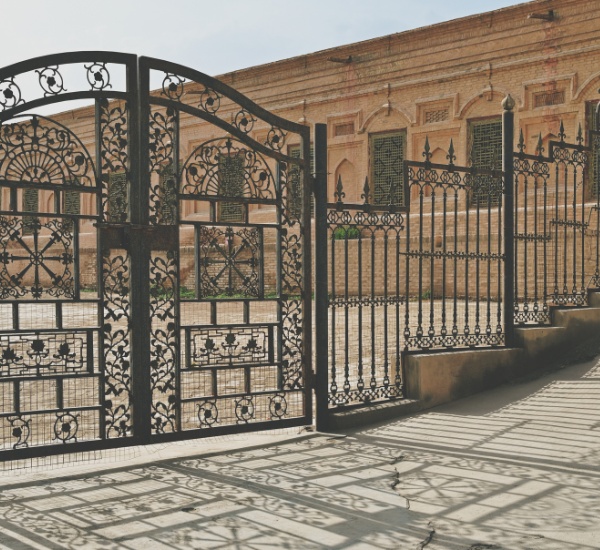
Don't Forget the Gate
Driveway and side gates usually corrode faster than the door they guard, because wrought iron sits in soil contact and salt spray hits it directly. If your gate is showing the same bubbled, bleeding rust pattern, it deserves the same triage — sand and refinish while it's cosmetic, replace hardware when it isn't.
"Edi repaired the side gate of my house very quickly. He was very efficient and did a great job. I highly recommend this business!" — Michi, Google Review
Coastal or Valley, the offer is the same: call (818) 919-0785 Monday through Friday, 8 AM to 6 PM, and we'll tell you honestly whether your rust is a paint job, a panel, or a new door — with the price approved before any work starts.
Frequently Asked Questions
Answers to the rust questions coastal LA homeowners ask most.
It depends on depth. Surface rust with sound steel sands, primes, and repaints successfully. Once the section is bubbled and scaling, or the steel is thin or perforated, repair becomes temporary and panel replacement is the durable fix.
The bottom section sits in the wettest zone: lingering condensation, moisture trapped by the bottom seal, splash from hosing down the driveway, and the highest concentration of salt dust. Gravity and the marine layer do the rest.
Treat it early, prime with a rust-inhibiting product, keep two solid topcoats on the steel, and rinse salt dust off the door occasionally. Twice-yearly inspection of the bottom section catches recurrence while it is still cosmetic.
Track rust is structural, not cosmetic. Pitted or swollen track legs make rollers bind and can put the door off its track, so rusted track sections, brackets, and bottom fixtures should be professionally replaced rather than painted over.
Aluminum and vinyl-clad or composite doors resist salt air best and need the least maintenance near the ocean. Galvanized steel with a quality paint system is the value choice, but coastal owners should expect to maintain it and upgrade hardware to stainless or galvanized.
Twice a year is right for homes in Santa Monica, Marina del Rey, and Palos Verdes: check the bottom section, hardware, and tracks each spring and fall. An annual professional inspection adds a trained eye for the structural issues homeowners tend to miss.
Keep Reading
More guides from the EM Garage Doors team.